Moving out of a rental property can be stressful. Between packing, arranging removalists, changing addresses and preparing your new home, it is easy to underestimate how much cleaning is required before returning the keys.
However, end-of-lease cleaning is one of the most important parts of the moving process. Under Western Australian rental requirements, tenants generally need to return the property in a similar condition to when the tenancy began, allowing for fair wear and tear. The home should also be empty and clean by the agreed handover date.
Your original property condition report should be your main reference. Compare each room with the report and any photos taken when you moved in. This will help you identify areas that require extra attention before the final inspection.
Here are the most important areas to clean before moving out of a rental property in Perth.
1. Oven, Cooktop and Rangehood
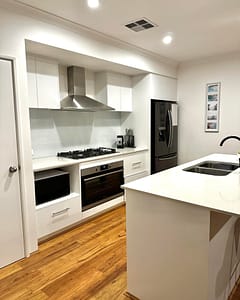
The kitchen is usually one of the first areas inspected by a property manager. Grease, food residue and burnt-on deposits can build up inside the oven, around the cooktop and underneath the rangehood filters.
Remove the oven trays and racks and clean them separately. Degrease the oven interior, door glass, seals and control knobs. The cooktop should be free from grease, burnt food and streaks.
Rangehood filters should also be removed and washed where possible. Do not forget the splashback, surrounding walls and the top of the rangehood, where oily dust commonly collects.
Because oven cleaning can take several hours, it is best to begin this task before your final moving day.
2. Kitchen Cupboards, Drawers and Benchtops
Once all food, cookware and personal belongings have been removed, clean the inside and outside of every cupboard and drawer.
Pay particular attention to crumbs, grease, sticky marks and spills in corners. Wipe cupboard doors, handles, hinges and the areas underneath the cabinets.
Clean and disinfect the benchtops without using products that could damage stone, laminate or timber surfaces. The kitchen sink, drain, tapware and surrounding silicone should be cleaned and polished.
If the property includes a dishwasher, clean the filter, door seals, internal walls and detergent compartment. Any refrigerator supplied with the property should be emptied, defrosted if necessary and cleaned thoroughly.
3. Bathrooms, Toilets and Laundry Areas
Bathrooms often require more detailed cleaning than any other part of the property. Soap scum, mineral deposits, mould and moisture stains can quickly become noticeable during an inspection.
Clean the shower glass, tiles, grout, bathtub, vanity, basin and tapware. Remove residue from shower tracks, drains, corners and around fittings. Mirrors should be polished without leaving streaks.
The toilet should be cleaned inside and outside, including the seat, hinges, base, cistern and surrounding floor.
In the laundry, clean the sink, cupboards and tapware. Check behind and underneath the washing machine once it has been removed. Dust, lint and small items frequently collect in these hidden spaces.
Take care when treating mould or discoloured silicone. Some permanent staining may not be removable through cleaning alone and may require maintenance rather than additional scrubbing.
4. Floors and Carpets
All hard floors should be vacuumed or swept before they are mopped. Cleaning the floor without removing loose dirt first can spread dust and leave visible streaks.
Pay attention to edges, corners, underneath appliances and areas previously covered by furniture. Use a cleaning product suitable for the flooring material, particularly on timber, vinyl or natural stone.
Carpets should be vacuumed slowly in multiple directions. Focus on skirting edges, doorways and areas where furniture was positioned.
Check your tenancy agreement and property manager’s instructions to determine whether professional carpet cleaning is required. Carpet stains should be treated carefully, as using an unsuitable chemical may damage or discolour the fibres.
5. Windows, Tracks and Flyscreens
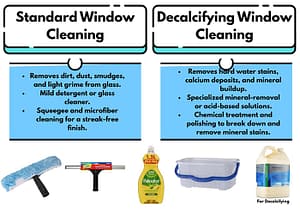
Clean windows can make the entire property appear brighter and better maintained. Clean the internal glass, frames, sills and window tracks throughout the home.
Window tracks frequently contain insects, dust, sand and debris. Vacuum the loose material first and then wipe the tracks with a damp cloth or suitable brush.
Flyscreens should be dusted or gently washed where appropriate. Check them for cobwebs and dirt, but avoid applying excessive pressure that could stretch or damage the mesh.
External window cleaning may also be required depending on the property, accessibility and the responsibilities listed in your agreement.
6. Walls, Doors and Skirting Boards
Walls do not always need to be washed completely, but visible marks should be addressed. Look for fingerprints, scuff marks, food splashes and dirt around light switches, doorways and hallways.
Test any cleaning product on a small, inconspicuous area before using it widely. Excessive scrubbing or strong chemicals can remove paint and create damage that is more noticeable than the original mark.
Wipe doors, frames, handles and the tops of doorways. Skirting boards should be vacuumed and then wiped to remove settled dust.
Remember that tenants are generally not responsible for normal fair wear and tear. Cleaning should not be confused with repairing deterioration caused by ordinary use.
7. Light Fixtures, Fans and Air Vents
Dust commonly accumulates on ceiling fans, exhaust covers, air-conditioning vents and light fittings. These areas are easily missed because they are above eye level.
Use a stable step ladder and appropriate equipment rather than standing on furniture. Wipe fan blades carefully so dust does not fall onto already-cleaned floors.
Clean accessible light fittings and remove dead insects. Replace any tenant-responsible light bulbs that have stopped working, provided this is consistent with your agreement and the property manager’s instructions.
Exhaust fans in bathrooms and laundries should also be cleared of visible dust and lint.
8. Outdoor Areas, Garage and Gardens
End-of-lease cleaning is not limited to the inside of the property. Balconies, patios, garages, storage areas and entranceways should be swept and cleared of rubbish.
Remove cobwebs from walls, ceilings, gates and outdoor light fittings. Clean obvious marks from garage floors where reasonably possible and remove all personal belongings.
Gardens should be returned in accordance with the tenancy agreement. This may include mowing lawns, removing weeds, collecting leaves and disposing of garden waste. WA Consumer Protection advises that tenants must clean the home and any gardens when moving out.
Complete a Final Inspection Before Returning the Keys
Once the property is empty, walk through every room using the original condition report and your property manager’s checklist. Open cupboards, inspect tracks, look underneath fixtures and check the property in natural light.
Take dated photographs after cleaning. These can provide a useful record of the condition in which the property was returned.
It is also sensible to allow time between cleaning and key handover. Leaving everything until the final morning can make it difficult to correct overlooked areas.
Professional End-of-Lease Cleaning in Perth
A professional vacate clean can reduce the pressure of moving and help ensure important areas are not overlooked.
West Cleaning Solutions provides end-of-lease cleaning across Perth, covering kitchens, bathrooms, floors, internal windows, cupboards and appliances. Our team follows detailed cleaning checklists designed around the standards commonly expected during real estate inspections. A 48-hour re-clean guarantee is also available under the applicable service conditions.
For reliable end-of-lease cleaning in Perth, contact West Cleaning Solutions and arrange a tailored quotation before your final property inspection.