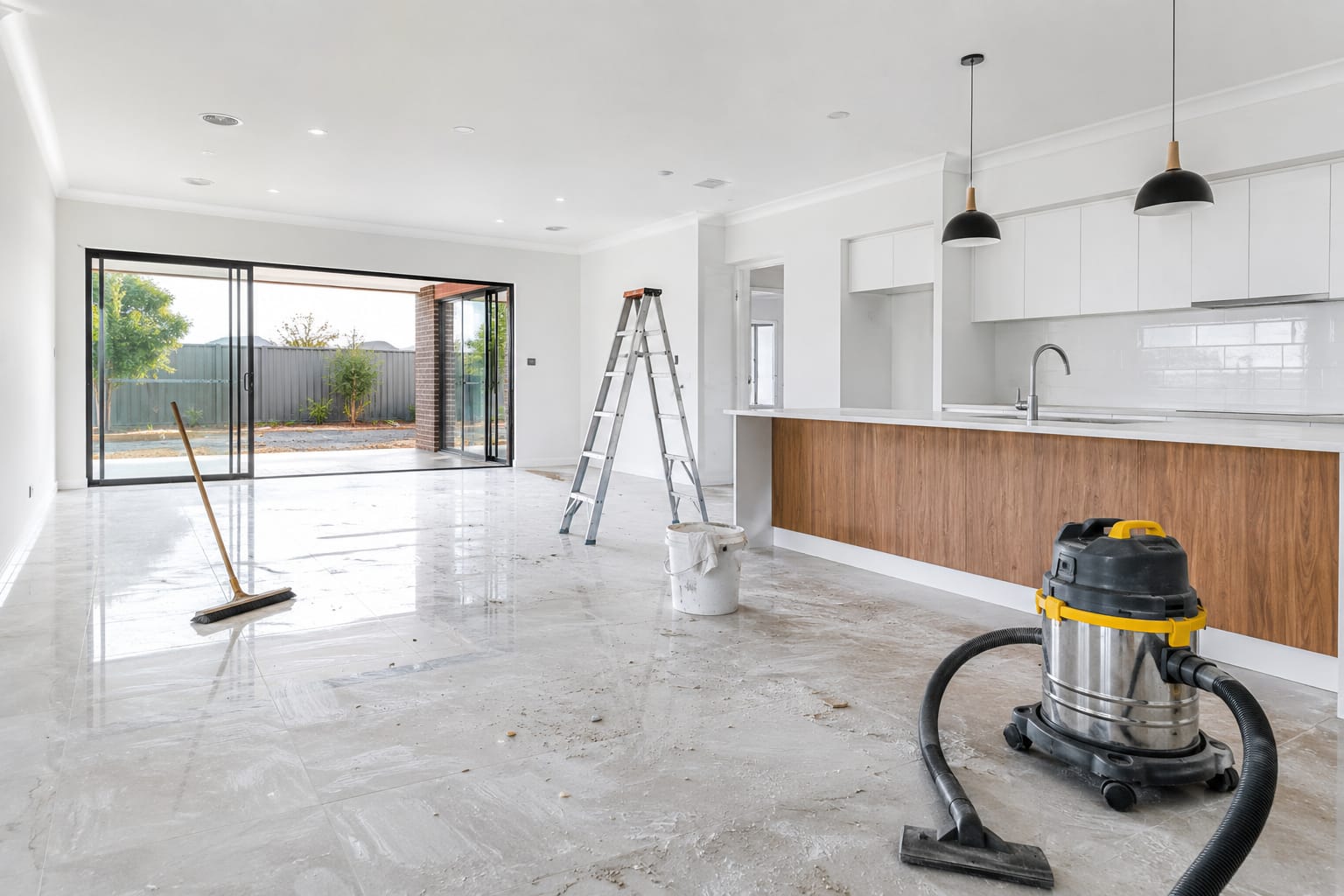
Completing a new build or renovation is a major achievement, but the property is not necessarily ready for handover when the construction work ends. Building dust, paint marks, grout haze, adhesive, protective film and packaging can remain throughout the property.
A detailed post construction cleaning checklist ensures that every room and surface is properly inspected and cleaned before the property is presented to the owner, tenant, buyer or building inspector.
Post construction cleaning is more intensive than regular cleaning. It requires professional equipment, careful handling of newly installed finishes and a systematic approach that prevents areas from being overlooked.
Whether you are preparing a house, apartment, office, warehouse, retail tenancy or commercial development, the following checklist explains what should be included in a thorough post construction clean in Perth.
1. Complete a Pre-Cleaning Site Inspection
Before cleaning starts, the cleaning team should inspect the property and confirm the scope of work.
The inspection should identify:
- Areas that are ready for cleaning
- Incomplete work that may create additional dust
- Paint, silicone, grout and adhesive residue
- Delicate surfaces requiring specialised products
- High windows and difficult-access areas
- Site hazards or restricted areas
- Water and electricity availability
- External areas included in the quotation
Ideally, major sanding, cutting, drilling and painting should be completed before the final clean. If trades continue working after an area has been cleaned, dust and debris may return and additional cleaning may be required.
2. Remove Rubbish and Loose Construction Debris
The first cleaning stage involves removing loose debris and smaller waste materials left behind after construction.
This may include cardboard, plastic wrapping, tape, protective coverings, product labels, small timber pieces and loose plaster or tile fragments.
Large building waste, hazardous materials and full skip-bin removal are not always part of a standard cleaning service. Builders and property owners should confirm responsibility for waste removal before the cleaners arrive.
Once loose debris has been removed, the team can safely begin detailed dust removal and surface cleaning.
3. Remove High-Level and Fine Construction Dust
Fine construction dust can settle almost anywhere. It often remains on surfaces that appear clean from floor level, including cupboard tops, ceiling fittings and door frames.
Professional cleaning should work from the top of each room down to the floor. This prevents falling dust from contaminating areas that have already been cleaned.
High-level cleaning may include:
- Ceiling fans and light fittings
- Air-conditioning vents
- Exhaust fan covers
- Tops of cupboards and wardrobes
- High ledges and shelving
- Door frames and window frames
- Beams and accessible ceiling features
- Stair rails and balustrades
Power points, switches and other electrical fittings should also be carefully wiped without applying excessive moisture.
4. Clean Walls, Doors and Skirting Boards
Walls and joinery can collect fingerprints, pencil marks, plaster dust and minor scuffs during construction.
A detailed builders clean should include wiping doors, door frames, handles, hinges, skirting boards and architraves. Labels, tape and protective film should be removed where safe to do so.
Freshly painted surfaces require particular care. Abrasive pads, strong chemicals and excessive rubbing can damage the paint. Marks that cannot be removed safely should be photographed and reported as possible defects rather than aggressively scrubbed.
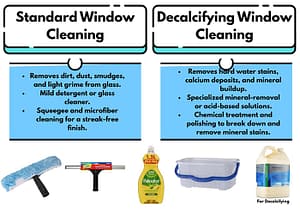
5. Detail Windows, Glass and Tracks
Clean windows significantly improve the presentation of a newly completed property. Dusty glass, stickers and dirty tracks can make an otherwise finished building look incomplete.
The window-cleaning section of the checklist should include:
- Internal window glass
- Accessible external glass where included
- Window frames and sills
- Window and sliding-door tracks
- Handles, locks and hinges
- Glass doors and partitions
- Mirrors and glass balustrades
- Removal of stickers and protective film
- Safe removal of light paint or adhesive residue
Construction residue should only be removed using methods suitable for the specific glass type. Incorrect scraping can scratch or permanently damage newly installed glass.
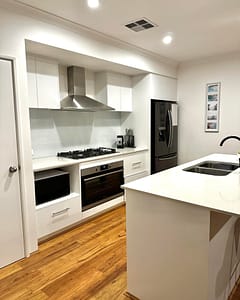
6. Deep Clean the Kitchen
The kitchen contains many individual surfaces and storage areas, making it one of the most detailed parts of a post construction clean.
Cleaners should wipe the inside and outside of cupboards, drawers and shelves. Cabinet tops, kickboards, splashbacks, benchtops, sinks and tapware must also be cleaned and polished.
The checklist should also cover appliance cavities, rangehood exteriors, cooktops, ovens where included, power points and areas behind doors.
Sawdust and packaging fragments frequently remain inside newly installed cabinetry, so every cupboard and drawer should be opened and inspected.
7. Clean Bathrooms and Other Wet Areas
Bathrooms, laundries and toilets often contain grout haze, plaster dust, silicone residue and labels from newly installed fixtures.
Cleaning should include:
- Showers, screens and baths
- Basins, vanities and mirrors
- Toilets and sanitary fixtures
- Wall and floor tiles
- Tapware and shower fittings
- Cupboards and drawers
- Floor wastes and drain covers
- Towel rails and accessories
- Exhaust fan covers
- Tile edges and corners
Removing grout haze or silicone can require specialised techniques. Cleaners must avoid damaging tiles, glass, stone, chrome or other new finishes.
8. Vacuum, Scrub and Mop All Floors
Floor cleaning should generally occur after high-level dust and surface cleaning have been completed.
Carpets should be thoroughly vacuumed, including corners, edges and built-in wardrobe areas. Steam carpet cleaning may be required when construction dust has become embedded in the carpet fibres.
Hard floors should be vacuumed before mopping to prevent loose grit from scratching the surface. Depending on the property, floor cleaning may include mopping, machine scrubbing or cleaning with products approved for timber, vinyl, tile, stone, hybrid flooring or sealed concrete.
Paint spots, adhesive and other residue should only be removed when it can be done without damaging the flooring.
9. Inspect Bedrooms, Living Areas and Storage Spaces
Every room should be checked individually, even when it appears empty.
Bedrooms and living areas should include clean windows, tracks, wardrobes, shelves, skirting boards, power points, switches, doors and floors.
The team should also inspect laundries, garages, storerooms, utility cupboards and under-stair storage. These areas are frequently used to store tools and materials during construction and can contain substantial amounts of hidden dust.
10. Clean External and Shared Areas
External cleaning requirements vary depending on the property and agreed scope.
A comprehensive checklist may include:
- Balconies and patios
- Building entrances
- External doors and frames
- Pathways and driveways
- Garages and carports
- Accessible external windows
- Glass balustrades
- Shared corridors and stairwells
- Lift interiors and landing areas
- High-pressure cleaning of suitable surfaces
Exterior window cleaning, façade cleaning and pressure cleaning may require additional equipment, access planning and safety controls. These services should be discussed during the quotation process.
11. Conduct a Final Quality-Control Inspection
After the main cleaning is complete, a supervisor should inspect the entire property under good lighting.
The final check should focus on glass streaks, dusty corners, cupboard interiors, door tops, window tracks, bathroom fixtures, kitchen surfaces, floor edges and areas behind doors.
Any construction defects such as scratched glass, damaged flooring, incomplete painting or excessive silicone should be recorded and reported separately. This helps distinguish cleaning issues from defects requiring attention from the builder or relevant trade.
Why Use Professional Post Construction Cleaners in Perth?
Professional post construction cleaners understand how to remove fine building dust and construction residue without unnecessarily damaging new finishes. They also have access to commercial equipment that can make large or heavily contaminated areas safer and more efficient to clean.
A structured cleaning process can help builders meet handover deadlines, improve the presentation of the completed work and reduce the likelihood of cleaning items appearing on an inspection or defect list.
West Cleaning Solutions provides professional post construction and builders cleaning for residential, commercial and construction properties throughout Perth. Services can include detailed internal cleaning, window cleaning, hard-floor scrubbing, steam carpet cleaning, high-pressure cleaning and final presentation cleaning.
For a tailored post construction cleaning quote, contact West Cleaning Solutions and provide details about the property size, location, construction stage, required completion date and areas to be included.