Schools are among the busiest places in any Australian community, especially here in Perth. Every day, thousands of students move through classrooms, playgrounds, libraries, and hallways. And with so many youngsters sharing the same places, it’s obviously very easy for germs to spread. If you’re a principal, teacher, or you just run a school in Australia, you know how important it is to protect student health.
Earlier, the significance of school cleanliness often went unnoticed. But since the COVID-19 pandemic, Australians have become far more aware of hygiene in public spaces, and rightfully so. We need to look at school cleaning with fresh eyes and higher expectations. Cleanliness is no longer just about appearance but a core part of student health and school safety.
In this blog, we’ll look at why modern schools need stronger hygiene routines, which areas require special care, and how schools can maintain a safer learning environment, especially with professional cleaning services.
How Clean Schools Support Student Health
Children spend a large part of their day at school. They touch shared desks, devices, door handles, sports equipment, and countless other surfaces. And unlike adults, kids don’t always remember to wash their hands or cover their mouths when they cough. All of this creates the perfect environment for germs to travel quickly.
Think back to your own school days. Remember those sticky desks after lunch, shared tablets covered in fingerprints, and you rushing in and out between classes with your friends? These things still happen today. So, it’s no surprise illnesses such as colds, flu, and gastro spread fast, especially during peak seasons in Australia.
When their environments are not clean, schools often experience:
1. Higher Absenteeism
More sick days mean students miss lessons and fall behind academically.
2. Reduced Concentration and Energy
Even mild illness makes it harder for children to focus or actively participate in academic and extracurricular activities.
3. Increased Risks for Vulnerable Students and Staff
Students with asthma, allergies, or weaker immune systems feel the impact of poor hygiene more intensely.
On the other hand, a well-cleaned school creates a healthier environment, one where students can learn, grow, and engage without unnecessary disruptions.
Modern Challenges: Why Stronger Hygiene Has Become Important
Today’s schools operate in a very different environment compared to a decade ago. They now face pressures that didn’t exist before, and these modern challenges demand a higher, more consistent cleaning standard. Here are the key factors shaping why school cleaning has become more important than ever:
1. Post-COVID Expectations
Australian parents expect visibly clean spaces. Schools are under more scrutiny than ever before.
2. Increased Enrolments and Larger Class Sizes
More students lead to more movement, which leads to more germs. Cleaning levels must match rising numbers.
3. High Use of Shared Technology
Laptops and tablets weren’t that common 10-15 years ago, but now they are germ hotspots.
4. Awareness and Accountability
Parents and staff speak up more. Schools that ignore hygiene risk reputational damage.
School Areas That Need Special Attention
While every corner of a school deserves care, some areas collect germs faster due to high traffic or constant contact with objects. Here are some vulnerable areas that require extra attention:
1. Classrooms
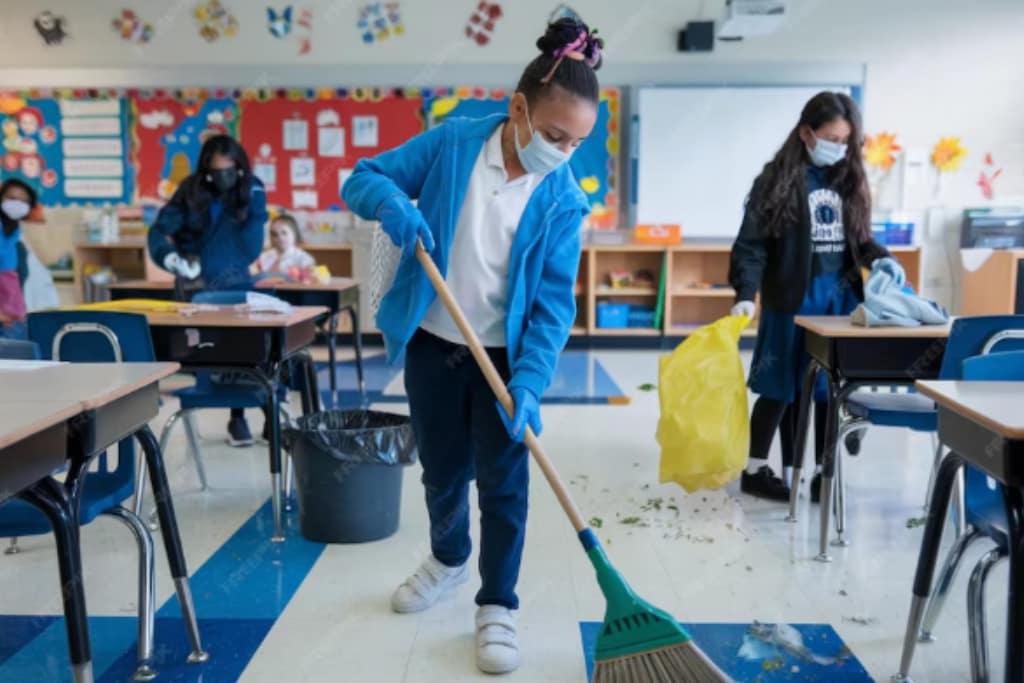
These are the heart of the school day. Desks, chairs, devices, whiteboards, and shared supplies gather invisible layers of bacteria and grime. Daily cleaning with focused attention on high-touch items is a must.
2. Restrooms
School toilets are among the biggest hygiene risks. Frequent sanitising, restocking soap, and cleaning sinks, taps, and cubicles throughout the day help prevent contamination.
3. Cafeterias and Kitchens
Food spills and shared surfaces increase the risk of pests and cross-contamination. These areas need strict cleaning routines to keep students safe.
4. Playgrounds and Sports Facilities
Sweat, dirt, and outdoor pollutants collect quickly on equipment, gym floors, and changing rooms.
5. Libraries, Hallways, and Common Areas
Handrails, lockers, tables, and shared resources are touched by hundreds of students each hour.
6. School Buses and Transport Areas
Seats, handles, and rails require regular attention, especially when used by multiple groups.
When each of these zones is cleaned thoroughly and consistently, the entire school becomes a safer environment.
Daily Cleaning vs Deep Cleaning: Why Schools Need Both
Daily cleaning covers:
- Sweeping and mopping floors
- Wiping desks and high-touch surfaces
- Emptying bins
- Keeping restrooms stocked and clean
- Tidying common areas
Meanwhile, deep cleaning involves:
- Detailed cleaning of classroom surfaces
- Carpet and upholstery sanitising
- Restroom deep sanitation
- Machine-cleaning floors
- Sports equipment cleaning
- Removing grime from overlooked touchpoints
Why Schools Need Both: Daily cleaning keeps hygiene under control. It’s what stops yesterday’s germs from becoming tomorrow’s outbreak. But modern schools face bigger challenges, like busy classrooms, shared devices, rising allergies, increased enrolments, and post-pandemic expectations. Because of this, standard cleaning alone cannot eliminate bacterial buildup in carpets, upholstery, corners, vents, and high-contact areas. This is where deep cleaning becomes crucial.
Modern Cleaning Standards Schools Should Follow
Today’s cleaning expectations are not just about appearance. Australian schools must adopt hygiene standards that protect students, staff, and visitors.
1. Use of Safe, Eco-Friendly Products
Harsh chemicals can trigger asthma and allergies, which are common issues among children. Eco-friendly, child-safe cleaning products are a healthier choice.
2. High-Touch Surface Protocols
Door handles, taps, switches, and shared items should be sanitised multiple times a day, not once.
3. Good Ventilation and Air Quality
Good airflow, clean filters, and dust control help reduce respiratory problems and create a more comfortable learning environment.
4. Well-Trained Cleaning Staff
Proper cleaning is a skilled job. Staff need training in sanitisation standards, product use, and safety procedures. It’s not fair or practical to rely solely on teachers to manage these responsibilities.
The Benefits of a Cleaner School Environment
A clean school does far more than look tidy. The impact reaches every member of the school community.
1. Better Student Health
Fewer germs mean fewer absences and healthier learning.
2. Stronger Academic Performance
Students concentrate better in clean, comfortable, well-maintained spaces.
3. A Safer Workplace for Staff
Teachers and support staff also benefit from cleaner classrooms and facilities.
4. Higher Trust from Parents
Australian families expect hygiene to be a priority. A clean school builds confidence and reassurance.
5. A More Positive School Culture
Clean, orderly spaces lift morale and create pride among students and staff.
How Schools Can Improve Their Cleaning Practices
Raising hygiene standards doesn’t have to be complicated. With the right systems, schools can maintain clean, healthy learning environments year-round. Here’s how:
1. Set Clear Hygiene Policies
Leadership teams should outline expectations for cleaning routines, student responsibilities, and classroom upkeep.
2. Conduct Regular Inspections
Routine audits help identify issues early and ensure hygiene standards are maintained.
3. Teach Students Healthy Habits
Simple practices, like washing hands, keeping desks tidy, covering coughs, play a major role in reducing illness.
4. Partner with Professional Cleaning Experts
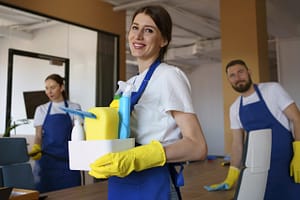
Many Australian schools now rely on professional cleaners to consistently maintain hygiene. Cleaning specialists understand the unique challenges of educational spaces and use the right products, techniques, and schedules to effectively control germs.
West Cleaning Solutions provides professional cleaning services to educational facilities in Perth. Our trained team follows strict hygiene standards and uses safe, eco-friendly products to protect students and staff.
Final Thoughts
A healthy school environment is all about protecting student health, supporting learning, and creating a safe and welcoming space for everyone. With so many children sharing the same environment every day, strong hygiene routines are a must.
For schools looking for professional cleaning services, West Cleaning Solutions helps Perth schools create environments where children feel safe, teachers can focus on teaching, and learning thrives. Connect with us today to know more about what we offer.
After all, a clean school is an investment in the well-being and future of every student who walks through its doors.